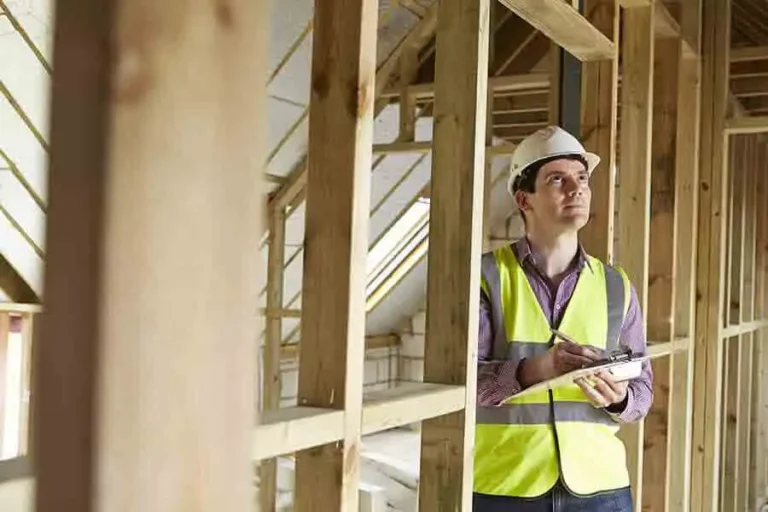
Building a new home is one of the biggest things you will ever do. You save up. You plan. You get excited. Then suddenly there is talk about certificates, standards and regulations and your head starts spinning.
What actually has to happen before they hand you the keys? Who checks what? And why does any of it matter?
Here is the thing. Australia has rules. Lots of them. But they all exist for one reason. To make sure the house you just spent all that money on is safe to live in. Safe for your family.Safe for the next family after you.
The rules come from something called the National Construction Code. NCC for short. It is the big book that tells builders, sparkies, plumbers, and certifiers what has to happen. Every state uses it. Every new home has to meet it.
Let me walk you through what actually matters. No legal jargon. Just plain talk about what needs to happen before that certificate gets signed.
The Big Book of Rules
First, you need to understand where these rules come from.The National Construction Code 2022 is the current version. It started on 1 May 2023. Since then, every new home in Australia has to meet its standards.The code covers everything. How strong the frame needs to be. How much insulation goes in the walls. Where smoke alarms go. How far apart the toilets are from the kitchen.All of it.
If your builder follows the NCC, your house meets the minimum standard for safety. That is the baseline. Nothing lower is allowed.Some states add extra rules on top. Victoria has its own variations. New South Wales does too. But the NCC is the foundation.
The Structure Has to Be Strong
Before anything else, your house needs to stand up.
That sounds obvious. But think about what your house has to handle. Wind.Rain.Maybe even earthquakes in some parts of the country.The weight of the roof.The people inside. All of it has to be held up by the frame.
The NCC has specific rules about structural steel members. Things like bearers, strutting beams, lintels, and columns. They have to meet minimum strength requirements. For steel, that means minimum nominal yield strength of 250 MPa.
The framing has to be installed correctly too. There are rules about how steel members are oriented. The larger dimension has to be vertical. That is not just for looks. It is about strength.
If you are building in Ballarat, where weather can be wild, getting the structure right matters even more. Good builders Ballarat locals trust know exactly how to handle the local conditions. They have been doing it for years and know what stands up and what does not.
Fire Safety Is Non-Negotiable
Here is something you really do not want to mess with.
Fire safety rules exist because people die in house fires. Smoke and toxic gases kill more people than the flames themselves. The rules are designed to give you time to get out.
Every new home must have smoke alarms. Not just any smoke alarms either. They have to comply with Australian Standard AS 3786. That means they are tested and approved to do the job properly.
The alarms have to be connected to your mains power. Battery backup is required too, in case the power goes out. And they have to be interconnected. If one goes off, they all go off. So if a fire starts in the back bedroom, you hear it in the main bedroom.
Where do they go? In the hallway outside sleeping areas.Minimum. For better protection, put them on every level.
The NCC also has rules about stopping fire spreading between buildings. Your external walls have to be far enough from the boundary or built with materials that resist fire. There are specific distances and heat flux limits. If your neighbour’s house catches fire, yours should not go up too.
Energy Efficiency Is Now a Big Deal
This one has changed recently.
From 1 May 2024, new homes in Victoria must meet a 7-star energy efficiency rating .Used to be 6 stars. Now it is 7.
What does that mean for you? Cheaper power bills. More comfort. Less greenhouse gas.
The Nationwide House Energy Rating Scheme, NatHERS for short, rates homes out of 10. Seven is the new minimum. That means better insulation, better windows, better design.
To hit 7 stars, builders have to think about orientation. North-facing living areas get winter sun. Eaves shade summer sun. Double glazing helps keep heat in during winter and out during summer.
The NCC also introduced something called Whole of Home. It is an annual energy use budget for fixed appliances. Heating, cooling, hot water, lighting, pool pumps. All counted. If you put solar panels on the roof, that offsets your energy use.
The extra cost to build a 7-star home compared to 6 stars? Around $3,300 for a typical four-bedroom house. That adds about $150 a year to your mortgage. But you save at least $300 a year on power bills. Net saving from day one.
In places like Ballarat with cold winters, good insulation and efficient heating are not luxuries. They are necessities. Local builders know this.
Livable Housing for Everyone
This is a new one in NCC 2022.
New homes now have to include basic accessibility features. The idea is simple. Make it easier for people to stay in their homes as they age, or if someone has a disability.
What does that mean practically? A step-free entry at the front door.Wider doorways.A toilet on the ground floor. Reinforced walls in the bathroom so grab rails can be added later.
These changes do not cost much when built in from the start. Retrofitting later costs a fortune. And it means more homes work for more people.
Waterproofing and Weatherproofing
Water is the enemy of houses. Gets in where it should not and rots things from the inside.
The NCC now has specific rules for waterproofing wet areas. Bathrooms, laundries, any place with water. Membranes have to be installed correctly. Falls have to slope to floor wastes so water drains instead of pooling.
Weatherproofing rules cover external walls. How flashing is installed. How cladding goes on. How water is directed away from openings.
If water gets in behind your walls, you might not know until mould takes over or timber rots. Then it is expensive to fix. Doing it right from the start is the only way.
Plumbing and Lead-Free Requirements
This one matters for your health.
From 1 May 2026, any plumbing product in contact with drinking water must be lead-free. That is a big change. Old brass fittings leached lead into drinking water. Not much, but over a lifetime, it adds up.
New homes built now should use compliant products. If you are building, ask your plumber about it.
The NCC also sets standards for sanitary plumbing and drainage. Pipe sizing has to be right. Venting has to work. All to stop smells and keep waste moving where it should.
Electrical Safety
This is where the sparkies come in.
Every new home needs a switchboard that meets current standards. That means circuit breakers on every circuit. Safety switches, RCDs, on every circuit too. Lights and power points both protected .
Wiring has to comply with AS/NZS 3000, the Wiring Rules. Cable sizes have to match the load. Earth stakes have to be driven properly. All tested and signed off.
If you are building in Sutherland Shire, getting good electricians Sutherland homeowners have used before is worth it. They know the local requirements. They know what passes inspection. They do it right the first time.
The Certification Process
So who checks all this?
You need a building certifier. Private or council. They look at the plans before you start. They check that the design meets the NCC.
During construction, they do inspections at key stages. Slab down. Frame up. Waterproofing before tiles.Final inspection at the end.
If everything passes, they issue an occupancy certificate. That piece of paper says your home is safe to live in. You cannot move in without it.
Some things need separate certifications. Electricians give certificates for their work. Plumbers give compliance certificates. All go to the certifier.
Why Local Knowledge Matters
Here is something people miss.
The NCC is national. But local conditions matter. Wind loads differ. Bushfire risk differs. Soil types differ.
In Ballarat, ground conditions can be challenging. Reactive clay soils move with moisture. Good foundations matter. Local builders know the soil maps. They know what works.
In Sutherland Shire, bushfire prone areas are common. Bushfire Attack Level ratings affect what materials you can use. Local sparkies know the rules for external wiring in bushfire areas.
Using local pros is not just convenient. It is safer. They have done it before. They know what the local certifier looks for.
The Cost of Getting It Wrong
If your builder cuts corners, you pay later.
Maybe the insulation is thin. You freeze in winter and cook in summer. Power bills through the roof.
Maybe the waterproofing fails. Water gets in the walls. Mould grows. Health problems start.
Maybe the wiring is dodgy. Breakers trip constantly. Or worse, they do not trip when they should. Fire risk.
The certification process is designed to catch these things. But only if the certifier does their job.Only if inspections happen.Only if builders follow the rules.
That is why choosing good people matters. Not the cheapest quote. The people who do it right.
FAQs
1. What is the National Construction Code?
It is the set of rules that all new homes in Australia must meet. Covers structure, fire safety, energy efficiency, plumbing, electrical, everything. Updated every few years. Current version is NCC 2022 .
2. How do I know if my new home is compliant?
Your building certifier issues an occupancy certificate at the end. That is your proof. Before that, they inspect at key stages. You can ask for updates.
3. What is a 7-star energy rating?
A measure of how thermally efficient your home is. Out of 10. Seven is the new minimum. Means better insulation, better windows, better design. Lower power bills.
4. Do smoke alarms need to be hardwired?
Yes. In new homes, they must connect to mains power with battery backup. They also have to be interconnected. One goes off, they all go off.
5. What is livable housing?
New rules requiring basic accessibility features.Step-free entry.Wider doors. Reinforced bathroom walls for future grab rails. Ground floor toilet. Makes homes work for everyone.
6. How do I find good builders in Ballarat?
Ask around. Look at display homes. Check reviews. Ask if they know the NCC 2022 requirements. Good builders Ballarat locals recommend will have examples of recent work and happy customers.
7. How do I find good electricians in Sutherland Shire?
Same deal. Ask neighbours. Check online reviews. Ask about their experience with new home wiring. Good electricians Sutherland homeowners trust will be happy to explain what they do and show their licences.
8. What happens if my builder does not follow the rules?
You might not get your occupancy certificate. You cannot move in. You might have to pay for fixes. Worst case, unsafe home. That is why certification matters.
9. How much extra does compliance cost?
The 7-star energy upgrade adds about $3,300 to build cost. Livable housing adds minimal cost if designed in from start. Cheaper than retrofitting later.
10. When do the new lead-free plumbing rules start?
From 1 May 2026. Any plumbing product in contact with drinking water must be lead-free. New homes built now should use compliant products to be future-proof.
The Bottom Line
Building a new home is complicated. No way around it.
But the rules are not there to make your life hard. They are there to make sure you and your family are safe. Safe from fire.Safe from collapse.Safe from mould.Safe from shock.Safe from power bills that bankrupt you.
The NCC sets the bar. Good builders and tradies clear it every day. They know the standards. They meet them. They give you the paperwork to prove it.
When you build, ask questions. Who is your certifier? What star rating are you aiming for? Are the smoke alarms interconnected? Is the wiring compliant?If the answers come easy, you are in good hands. If they dodge the questions, keep looking.A home is too big an investment to trust to someone who cuts corners. Spend the money. Do it right. Sleep sound knowing your family is safe.That is what the standards are really about. Not paperwork. Peace of mind.